
How Canadian Players Use Interac for Safer Online Gambling: A Cross-Border Look at Secure Payment Methods
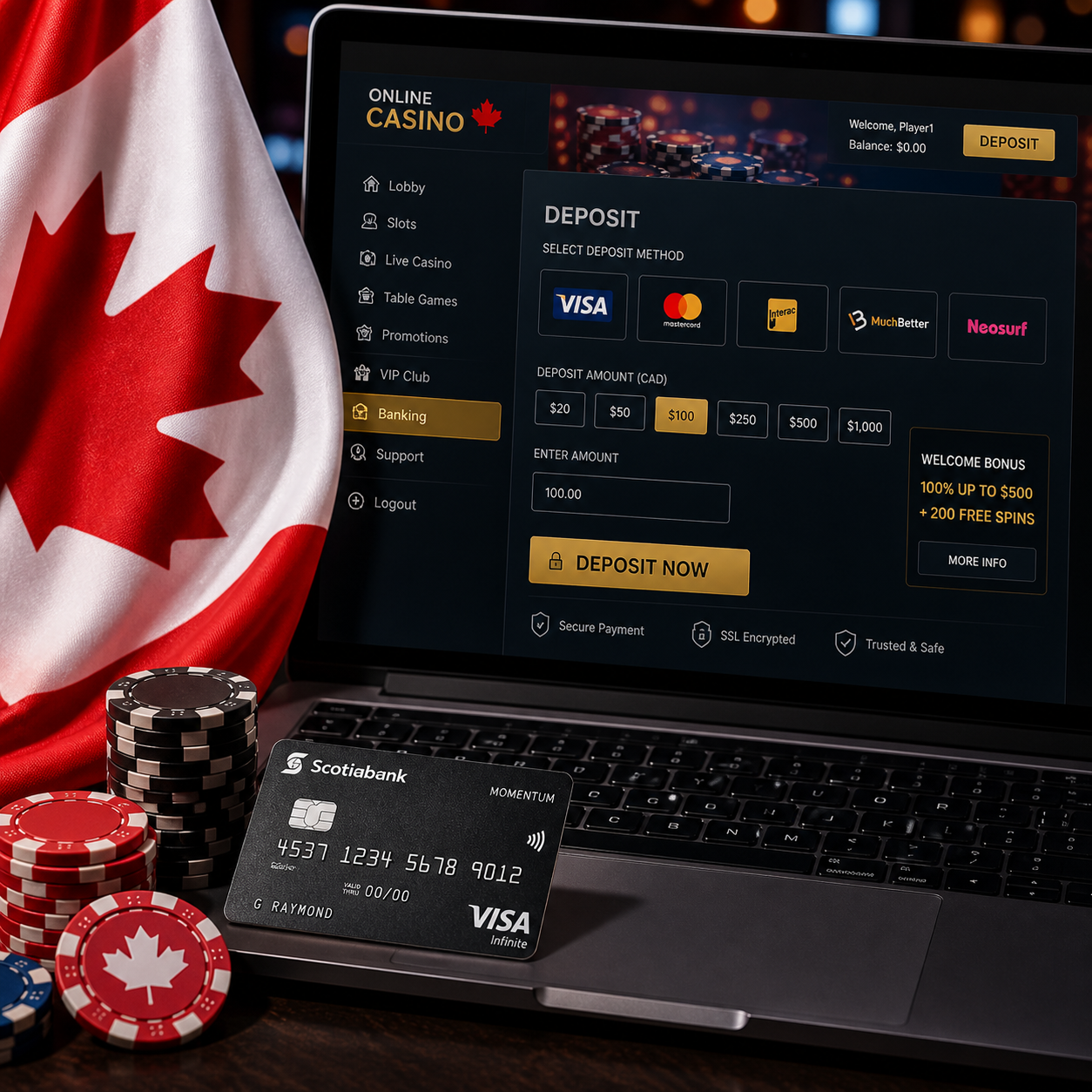
Online gambling has exploded across North America these past few years, and with that growth comes a question I hear constantly: how do you actually keep your money and your personal info safe? Whether you're logging in from Toronto or Texas, payment security sits right at the center of trust between a player and a casino platform. In Canada, that trust is built almost entirely around one system — Interac. It's homegrown, it's bank-linked, and honestly, it works nothing like the credit cards and third-party e-wallets most American players default to. So let's walk through how Interac actually works, why Canadian players lean on it so heavily, and how it stacks up against what's typically available south of the border.
What Is Interac and How Does It Work?
Interac is Canada's national electronic funds transfer (EFT) network. Been around for decades — originally it just powered debit purchases and ATM withdrawals — but it's since grown into one of the most trusted ways to move money online. Because it's tied directly to your own bank account rather than a prepaid card or some third-party wallet, transactions stay inside a closed, tightly regulated banking system. Most major Canadian banks support it: RBC, TD, Scotiabank, BMO, CIBC, the usual suspects. That's exactly why Interac has become the default payment rail for online casinos operating in Canada.
Interac Online vs. Interac e-Transfer
Canadian players typically run into two versions of Interac at checkout, and it's worth knowing which is which. Interac Online works like a direct bank redirect — you pick your bank, get bounced to its secure login page, authorize the payment, then land back at the casino with funds already sitting in your account. Interac e-Transfer feels more like sending money by email or text. You punch in the casino's Interac e-Transfer address, authorize the transfer through your banking app, and the funds move between accounts, often within minutes.
Neither method asks for a card number. That, more than anything, is why Canadian players find them reassuring.
Why Canadian Players Trust Interac for Online Gambling
The appeal isn't just convenience. It's the layered security baked into the whole system. Since every transaction gets authenticated through your bank's own login credentials, there's no card number sitting on some gambling site's server waiting to be exposed. Banks run their own fraud monitoring and real-time verification before a transfer even clears — that's a protective buffer credit cards simply don't offer. Deposits usually confirm instantly too, so there's no sitting around wondering if the payment actually went through.
Compare that to storing card details directly on a casino account, which is still common practice on U.S. platforms. Interac shrinks the surface area for fraud and data breaches quite a bit. I'm not saying it's bulletproof — nothing online really is — but it does remove a lot of the obvious weak points.
Where to Find Interac-Friendly Casinos in 2026
Not every casino that accepts Canadian players actually offers Interac, and even among the ones that do, quality swings pretty wildly. The safest approach: check for provincial or international licensing (Kahnawake Gaming Commission or Malta Gaming Authority are the two you'll see most), confirm SSL encryption runs throughout the site, and pay close attention to how fast withdrawals actually clear once you cash out. Some platforms advertise Interac support and still take days to release winnings — which, if you ask me, kind of defeats the whole point.
If you'd rather skip the guesswork, resources like this guide to online casinos that accept interac break down which platforms genuinely deliver on fast deposits and secure withdrawal processes heading into 2026. Saves you the trial-and-error of testing sites yourself, which I've done more times than I'd like to admit.
Interac vs. U.S. Payment Methods — A Side-by-Side Comparison
American players generally rely on a different toolkit: credit and debit cards, PayPal, Skrill, and increasingly crypto. Each has its strengths, but none quite replicate the bank-direct model Interac offers. Credit cards are convenient, sure, but they expose your card number to the casino's payment processor. PayPal and Skrill add a buffer layer similar to Interac's — except they're third-party companies, not your actual bank, and that shifts the liability and verification dynamics quite a bit. Crypto brings speed and a degree of anonymity, but it lacks the consumer protections tied to regulated banking systems.
Speed, Fees, and Withdrawal Times
This is where the gap gets obvious. Interac deposits land instantly, and plenty of Canadian casinos process Interac withdrawals same-day or within 24 hours. Fast. Really fast, compared to what's typical elsewhere.
Now compare that to U.S. credit card withdrawals — three to five business days, and sometimes not supported at all, since a lot of card issuers flat-out block cashouts from gambling sites. E-wallets like PayPal or Skrill sit somewhere in the middle: faster than cards, usually, but still not matching Interac's near-instant turnaround, and they can carry withdrawal or currency conversion fees that Interac transactions simply avoid.
Security and Data Privacy
Because Interac never hands your card or account number to the casino, it sidesteps a lot of the chargeback and fraud disputes that plague credit card gambling transactions in the U.S. Chargebacks are a genuine headache for American players — disputing a charge after a loss can get an account frozen or blacklisted entirely. Interac's bank-verified authorization model mostly removes that friction, since the transaction gets confirmed and settled directly through your bank. There's just not much room left for the kind of disputes that are common with card networks.
Best Practices for Secure Online Gambling Payments
Regardless of which side of the border you're on, a few habits go a long way toward protecting yourself financially. Here's what I'd recommend:
- Always verify the casino's licensing before depositing a single dollar
- Look for visible SSL encryption (the padlock icon) on every payment page
- Set personal deposit limits through your account settings or banking app
- Check your bank or card statements regularly for unauthorized charges
- Avoid unregulated offshore casinos that don't disclose their licensing jurisdiction
These steps apply whether you're using Interac in Canada or a credit card in the U.S. The underlying principle doesn't change: never gamble on a platform you can't verify.
Common Mistakes to Avoid When Choosing a Payment Method
A surprising number of players get burned — not by the casino itself, but by overlooking basic details about their payment method. Common missteps: ignoring withdrawal fees buried in the fine print, using payment channels that aren't officially supported by the casino (which can delay or void a payout), or just forgetting to check whether a platform even accepts players from their region in the first place.
Trusting a site purely because it looks polished, without confirming its security policies or licensing, is another trap I've watched people fall into more than once. Taking five extra minutes to read the payment terms before depositing can save a lot of frustration down the line. Sounds obvious, I know. It still gets skipped constantly.
Conclusion
Interac gives Canadian players something U.S. gamblers often don't have easy access to: a payment method tied directly to bank-level verification, with no card numbers exchanged and near-instant processing on both ends. That said, the security principles underneath all of this are universal. Whether you're relying on Interac, a well-vetted e-wallet, or even a regulated crypto option, the goal stays the same — confirm licensing, prioritize direct verification wherever you can, and pick platforms with a proven track record of fast, secure transactions. Cross-border or not, that mindset is really what keeps your money safe.