Top 10 Secure Online Payment Methods in 2026
Introduction to Online Payment Security
Online payment security is crucial in 2026 as digital transactions become more frequent and sophisticated. Protecting sensitive financial data from cyber threats ensures consumer trust and prevents costly fraud. With rising e-commerce and fintech innovation, understanding secure payment methods helps users avoid breaches and unauthorized access.
Every year, cybercriminals evolve their techniques, so payment platforms must constantly integrate new protections like tokenization and biometric verification. Choosing highly secure options shields your money and personal details with advanced technology and vigilant fraud detection systems.
Key Security Features to Look for in Payment Methods
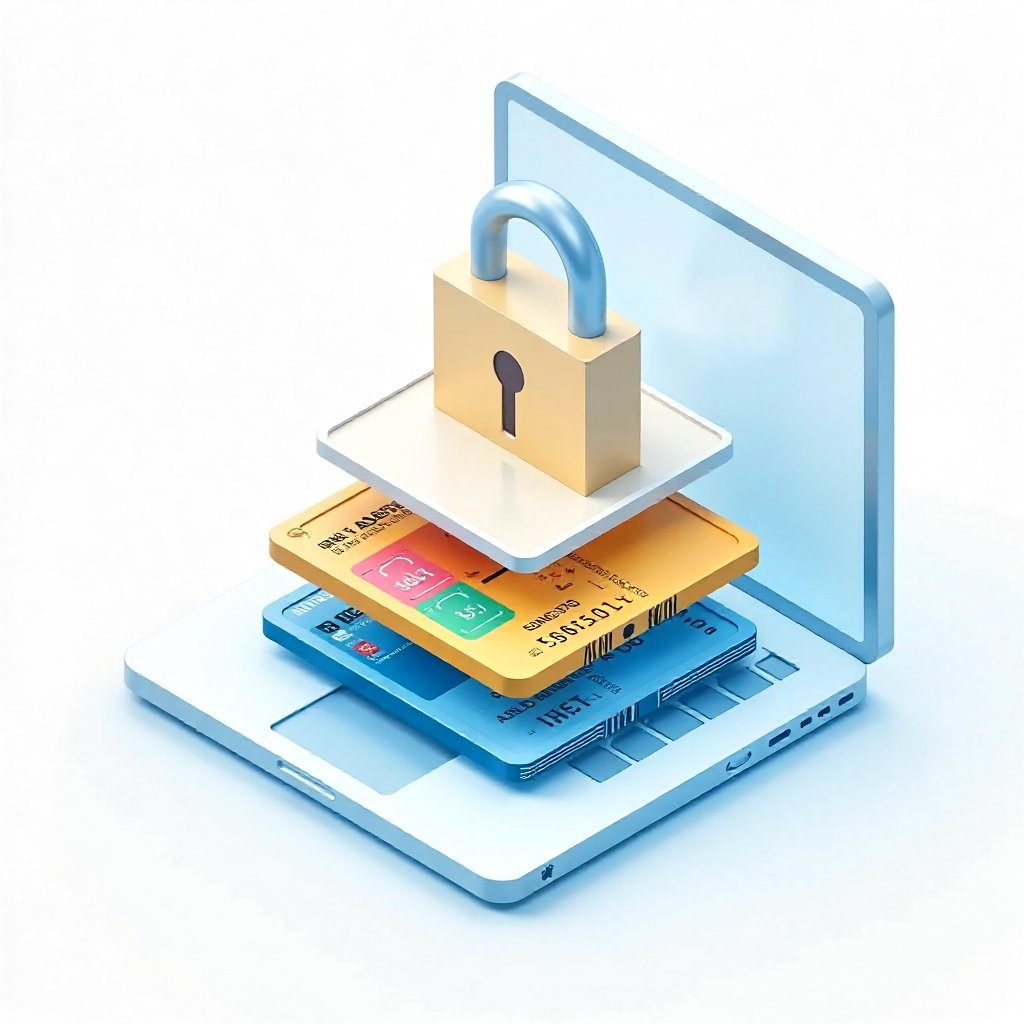
Encryption, two-factor authentication (2FA), tokenization, and biometric verification are essential features for modern online payment security. These technologies secure data at every step of the transaction, preventing interception or misuse by unauthorized parties.
- Encryption transforms sensitive payment data into unreadable code, safeguarding it during transmission over networks.
- Two-factor authentication (2FA) requires users to verify identity through multiple credentials, adding an extra security layer beyond passwords.
- Tokenization replaces card or account numbers with unique tokens, reducing exposure of real credentials during payments.
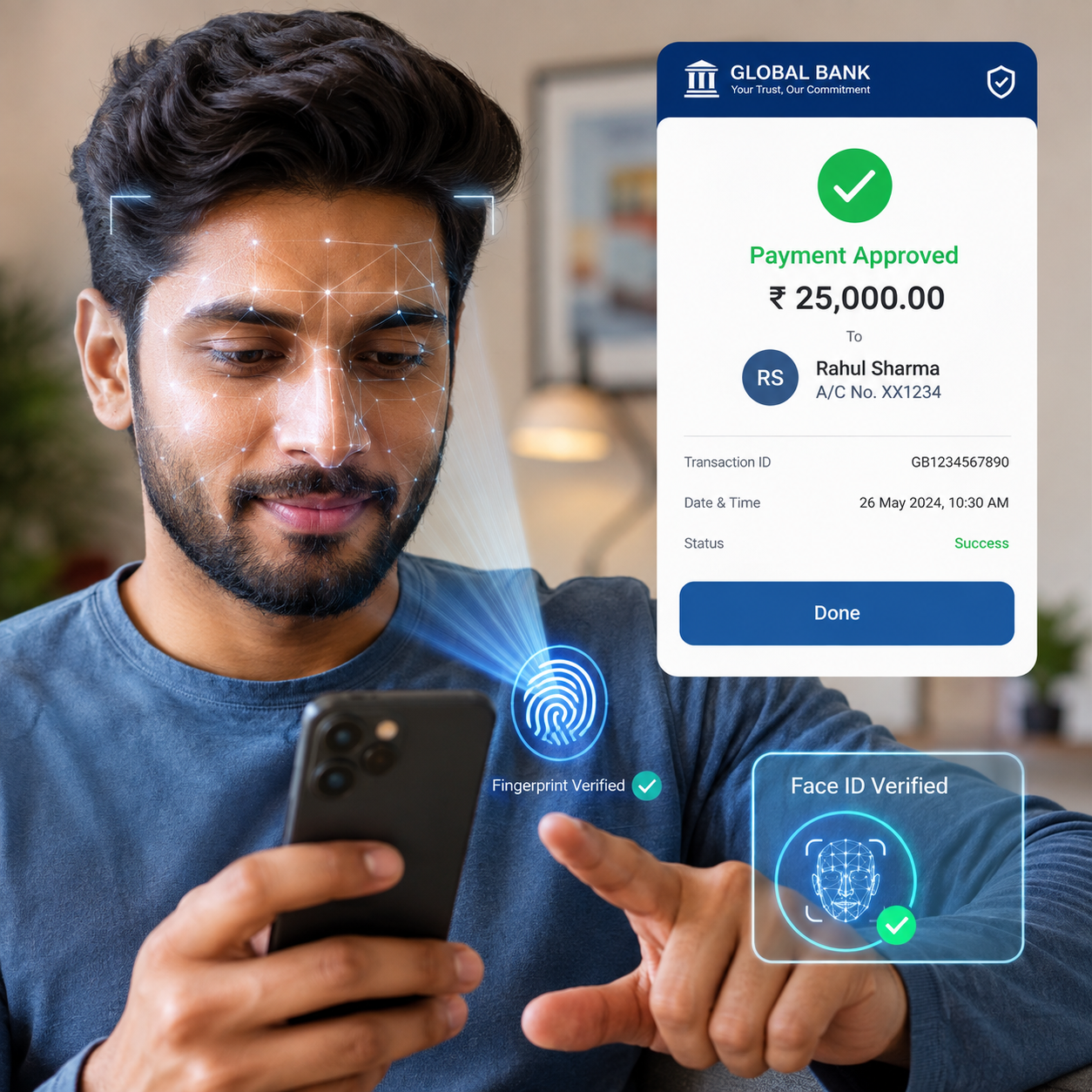
- Biometric verification uses fingerprints, facial recognition, or voice to confirm user identity, making fraud harder.
- Fraud detection systems analyze transaction patterns using AI to flag suspicious activity in real time.
- Secure payment gateways act as encrypted tunnels between the user, merchant, and bank, ensuring safe data exchange.
Additionally, contactless payments and peer-to-peer payment apps have integrated these features for convenience without compromising safety. Prioritizing methods with these technologies helps mitigate risks significantly.
Top 10 Secure Payment Methods in 2026
The most secure online payment methods in 2026 combine cutting-edge fintech with user-friendly features to protect consumers globally.
- Apple Pay and Google Pay (Digital Wallets): These e-wallets employ tokenization, biometric verification, and 2FA, ensuring contactless payments are encrypted and authorized only by the user’s biometrics.
- Virtual Credit Cards: Issued by banks, virtual cards generate temporary card numbers for online use, preventing exposure of actual credit card details and reducing fraud risk.
- PayPal: Leveraging secure payment gateways, encryption, and advanced fraud detection, PayPal remains a dominant peer-to-peer and merchant payment platform with buyer protection features.
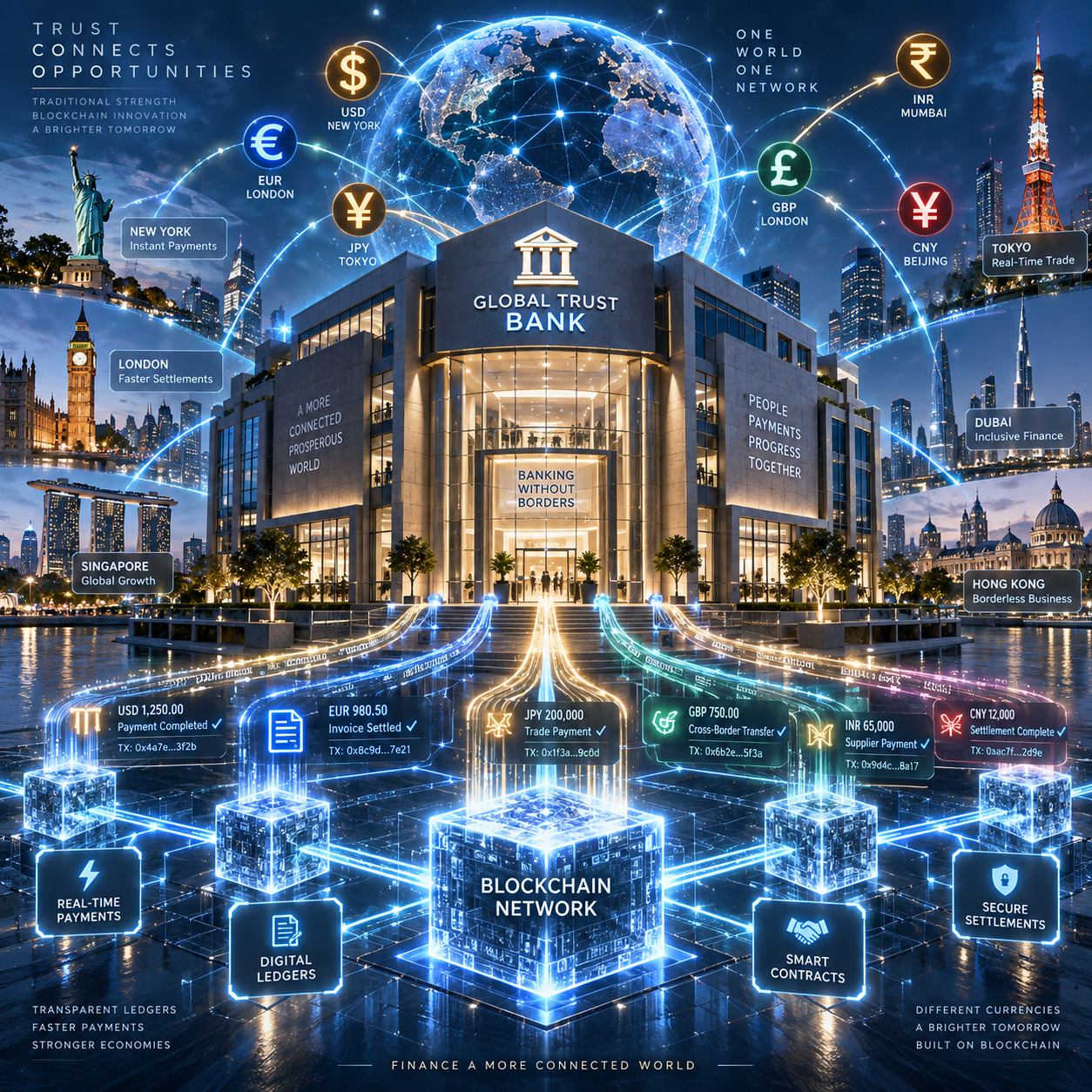
- Cryptocurrency Payments: Blockchain technology ensures decentralized and tamper-proof transactions. While volatile, crypto payments offer privacy and secure encryption, appealing to niche users focused on security and transparency.
- Samsung Pay: Similar to Apple Pay, Samsung Pay integrates biometric verification and tokenization with magnetic secure transmission, allowing broad compatibility and safe contactless transactions.
- Stripe: As a top secure payment gateway for merchants, Stripe heavily invests in encryption, PCI compliance, and fraud monitoring, providing safe online checkouts worldwide.
- Venmo: Popular for peer-to-peer payments, Venmo uses encryption and 2FA, plus AI-driven fraud detection to secure transactions, especially for social payments.
- Banking Apps with Biometric Security: Many banks offer apps with fingerprint or facial recognition sign-in and built-in tokenization, making direct bank payments more secure against identity theft.
- Contactless Debit/Credit Cards: Chip-and-pin combined with NFC technology employ dynamic cryptograms and encryption, enhancing security for tap-to-pay both in-store and online.
- Zelle: This fast peer-to-peer payment app incorporates end-to-end encryption and 2FA, supported by major US banks, making instant transfers safer and more reliable.
These methods have built-in secure frameworks and compliance with global standards, balancing usability with robust protection. While crypto adds privacy, traditional digital wallets and bank apps dominate in widespread security adoption.
Comparing Traditional vs. Emerging Payment Options
The main difference between traditional and emerging payment methods lies in their technology and user control over security. Traditional credit and debit cards rely on bank-issued infrastructure with encryption and fraud monitoring, but may lack user-specific biometrics or tokenization.
Emerging options like digital wallets and cryptocurrency introduce decentralized or hardware-based biometric security, plus tokenization that obscures real card data. These reduce fraud vulnerability but can come with new challenges such as reliance on device security or crypto market volatility.
Traditional cards offer broad acceptance and well-understood protection but sometimes suffer from data breaches or phishing attacks. Emerging fintech solutions provide stronger authentication and data masking but may face slower adoption and regulatory hurdles.
Choosing between them depends on your comfort with technology, desired convenience, and risk tolerance. Combining credit cards with digital wallets, for instance, leverages the security features of both.
How to Choose the Right Secure Payment Method for You
To pick a secure payment method, evaluate your needs for convenience, security features, merchant acceptance, and privacy. Look for platforms offering encryption, two-factor authentication, and biometric verification as minimum standards.
- Assess whether you prefer fast peer-to-peer apps or traditional bank-backed card payments.
- Check if the payment method supports tokenization to prevent data exposure in breaches.
- Consider the availability of fraud detection systems and buyer protections.
- Think about the devices you use: smartphone-based digital wallets require your device’s security to be strong.
- If privacy is critical, explore cryptocurrency or other decentralized methods.
Ultimately, balance security with usability. A highly secure method that’s too complex may lead to risky behaviors like password reuse or sharing access. Regularly updating passwords and enabling all available security layers will keep your transactions safer.
Best Practices for Safe Online Transactions
Beyond choosing a secure payment method, practicing safe habits can prevent fraud:
- Use strong, unique passwords for payment accounts and enable two-factor authentication whenever possible.
- Keep your devices’ software and security apps up to date to protect against malware and phishing.
- Only transact on websites with secure payment gateways indicated by "https" and trusted digital certificates.
- Regularly monitor accounts for suspicious activity and report any unauthorized transactions promptly.
- Avoid public Wi-Fi for transactions or use a trusted VPN to encrypt your internet connection.
- Be wary of unsolicited messages asking for payment information or account credentials.
Applying these practices alongside secure payment methods fortifies your defenses against evolving cyber threats and minimizes financial loss.
FAQ
What are the safest e-wallets in 2026?
Apple Pay, Google Pay, and Samsung Pay are among the safest e-wallets, integrating tokenization, biometric verification, and advanced fraud detection to secure contactless and online payments.
How does biometric verification improve payment security?
Biometric verification adds a unique physiological trait—like fingerprint or facial recognition—as a second password, making unauthorized access extremely difficult compared to traditional passwords alone.
Can cryptocurrency be considered a secure payment method?
Cryptocurrency offers secure, encrypted transactions on blockchain networks, reducing fraud risk. However, its price volatility and less widespread acceptance mean it’s more suitable for niche or privacy-focused users.
What should I do if I suspect online payment fraud?
Immediately contact your payment provider or bank to freeze your accounts, change passwords, and dispute unauthorized charges. Report the fraud to relevant authorities and monitor your accounts closely for further suspicious activity.
Are contactless payments secure?
Yes, contactless payments use encryption, tokenization, and dynamic security codes to protect transactions. When combined with biometric verification and 2FA, they offer a highly secure and convenient payment experience.