
The Evolution of Digital Wallets: From Early Innovations to Modern Solutions
Introduction to Digital Wallets
A digital wallet is a software-based system that securely stores users’ payment information and passwords for numerous payment methods, enabling mobile payments and online transactions. Digital wallets are a cornerstone of modern fintech, transforming online payments by enhancing convenience and speed while reducing reliance on legacy payment methods like physical credit and debit cards.
These wallets act as a virtual replacement for your physical wallet and often integrate multiple financial services, from peer-to-peer (P2P) payments to loyalty cards, all within one ecosystem. Their rise parallels key innovations in mobile technology and the broader shift toward cashless economies worldwide.
Early Innovations in Digital Payments
The origins of digital wallets date back to the late 1990s and early 2000s when the first generation of mobile payments and online wallets emerged. Early concepts like CyberCash and PayPal pioneered storing payment credentials online to enable e-commerce transactions without repeatedly entering card details.
These initial systems were mostly browser-based and lacked integration with mobile devices, limiting adoption. However, they set the foundation for future innovations by proving users’ appetite for faster, digitized payments. Early digital wallets also struggled with security concerns and regulatory uncertainty, slowing widespread acceptance.
Simultaneously, initiatives in NFC (Near Field Communication) technology started gaining traction, allowing contactless card payments to become viable. Although consumer-facing NFC payment solutions took years to mature, they were critical early steps for wallet evolution.
Technological Advances Driving Digital Wallet Growth
The rapid growth of digital wallets has been driven by key technological advancements such as NFC, biometric authentication, and robust mobile platforms. NFC technology enables contactless payments by allowing smartphones to communicate securely with payment terminals, streamlining checkout processes globally.
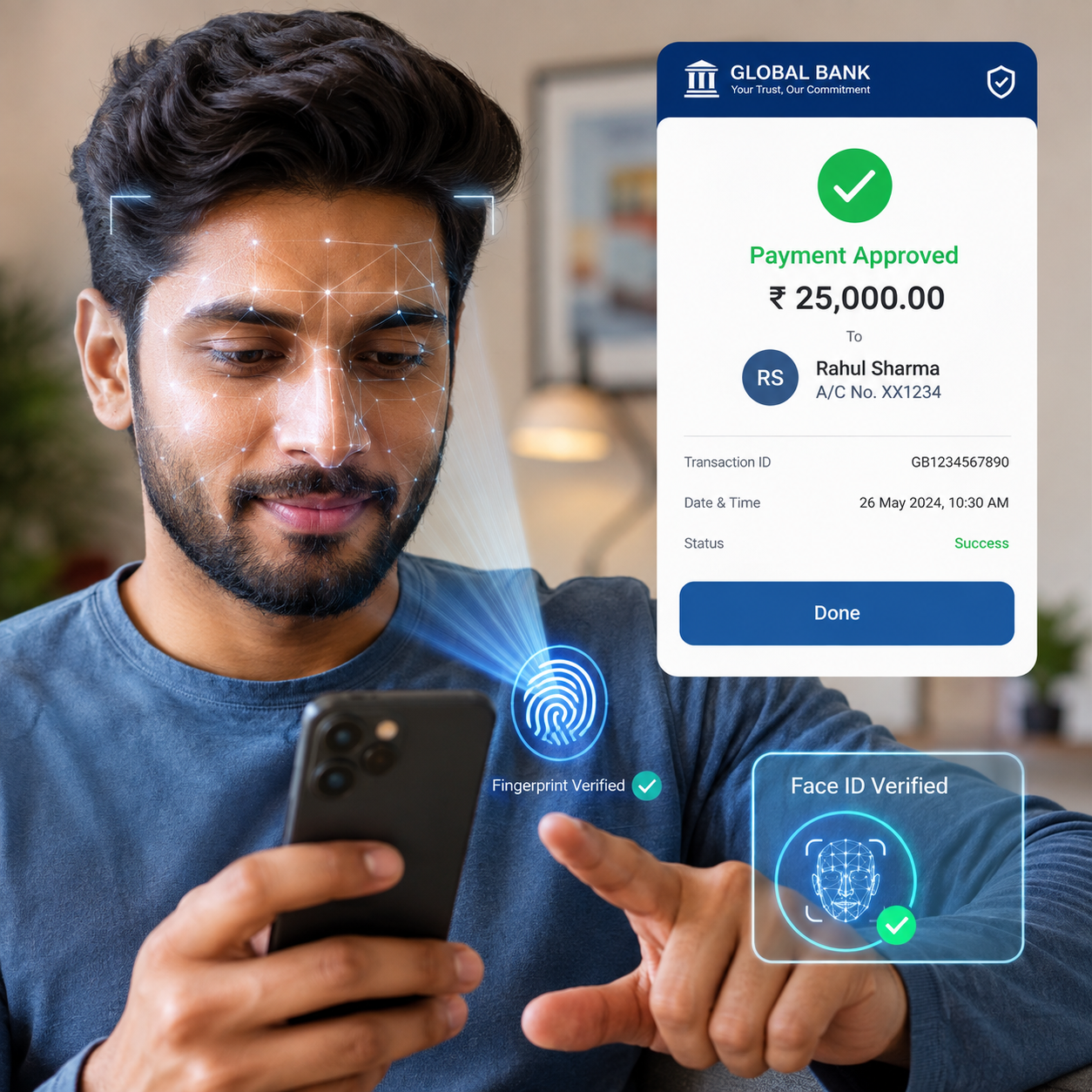
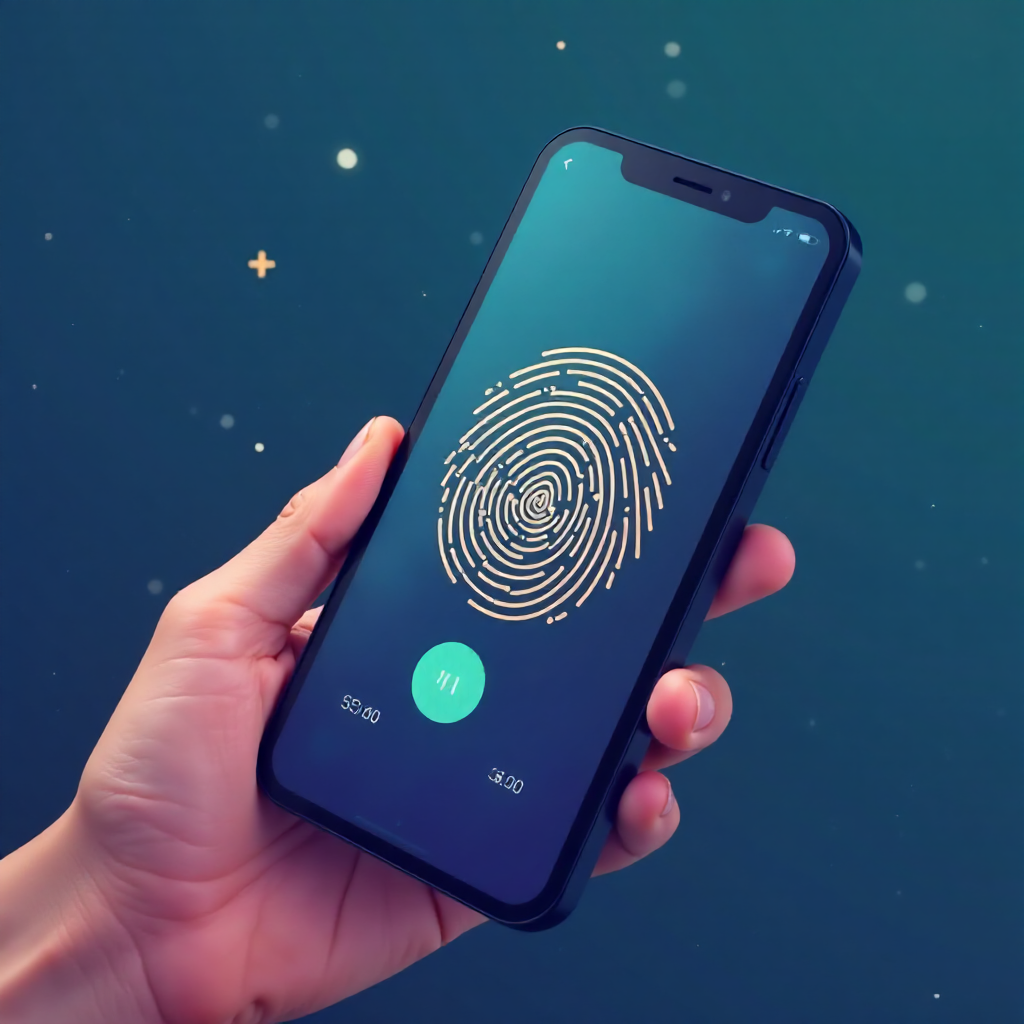
Biometric security features like fingerprint scanning and facial recognition now protect digital wallets, addressing earlier concerns about fraud and unauthorized access. Smartphones with advanced operating systems support seamless integration of digital wallets, pushing mobile payments from niche to mainstream.
Additionally, cloud storage and encryption protocols have drastically improved secure data handling, while peer-to-peer (P2P) payment systems like Venmo and Zelle have expanded wallet use cases beyond traditional retail payments to social transactions, bill splitting, and more.
In essence, these innovations combined to create a payment environment that is faster, more secure, and easier to use than legacy credit or debit cards.
Types of Modern Digital Wallets
Modern digital wallets come in diverse forms tailored to different user needs and platforms. The most common are mobile wallets, such as Apple Pay, Google Wallet, and Samsung Pay, which leverage smartphones and NFC technology for contactless payments in stores and apps.
Cryptocurrency wallets are another key category, designed specifically for managing digital assets like Bitcoin and Ethereum. These wallets provide secure storage using private keys and often include added features such as decentralized finance (DeFi) integration and blockchain transaction tracking.
Browser-based wallets facilitate online payments and storing credentials directly within web browsers, simplifying e-commerce checkouts and subscription services. Wearable wallets integrated into smartwatches or fitness trackers enable payments on the go without needing a phone or card.
Each wallet type emphasizes different features—mobile wallets prioritize seamless point-of-sale experiences, cryptocurrency wallets focus on asset security and blockchain access, while browser wallets balance ease of use and multi-device sync.
Impact of Digital Wallets on Banking and Consumer Behavior
Digital wallets have fundamentally shifted both banking services and consumer payment habits. They reduce the need to carry physical cards, encouraging increased use of mobile payments in everyday transactions. Banks respond by integrating wallet compatibility and offering digital-first services, such as instant money transfers and virtual cards.
Consumers benefit from faster checkout, immediate transaction confirmation, and enhanced record-keeping within wallet apps. P2P payment systems popularized by digital wallets have transformed peer transactions, making splitting bills or sending money friends effortless.
From a financial institution standpoint, digital wallets facilitate new revenue streams via value-added services like loyalty programs and targeted offers. They also help banks compete in a fintech landscape shaped by nimble startups and evolving regulatory frameworks.
However, wallet adoption varies by region due to infrastructure, cultural preferences, and trust levels, making targeted strategies essential for maximizing impact.
Security Challenges and Solutions
Security concerns remain central to digital wallet adoption, but substantial innovations have mitigated many risks. Potential threats include data breaches, unauthorized access, phishing attacks, and device theft which could expose stored payment credentials.
To counter these, digital wallets employ multi-layered security protocols such as end-to-end encryption, biometric authentication (fingerprint, facial recognition), and tokenization, which replaces sensitive data with unique transaction identifiers.
Moreover, many wallets implement real-time fraud monitoring and require PIN codes or two-factor authentication (2FA) for sensitive operations. Regulatory standards like the Payment Card Industry Data Security Standard (PCI DSS) and global data protection regulations further enforce secure handling of wallet data.
Despite robust defenses, users must remain vigilant by updating software regularly, avoiding unsecured networks, and enabling device locks, since no system is entirely immune to evolving cyber threats.
Future Trends in Digital Wallets
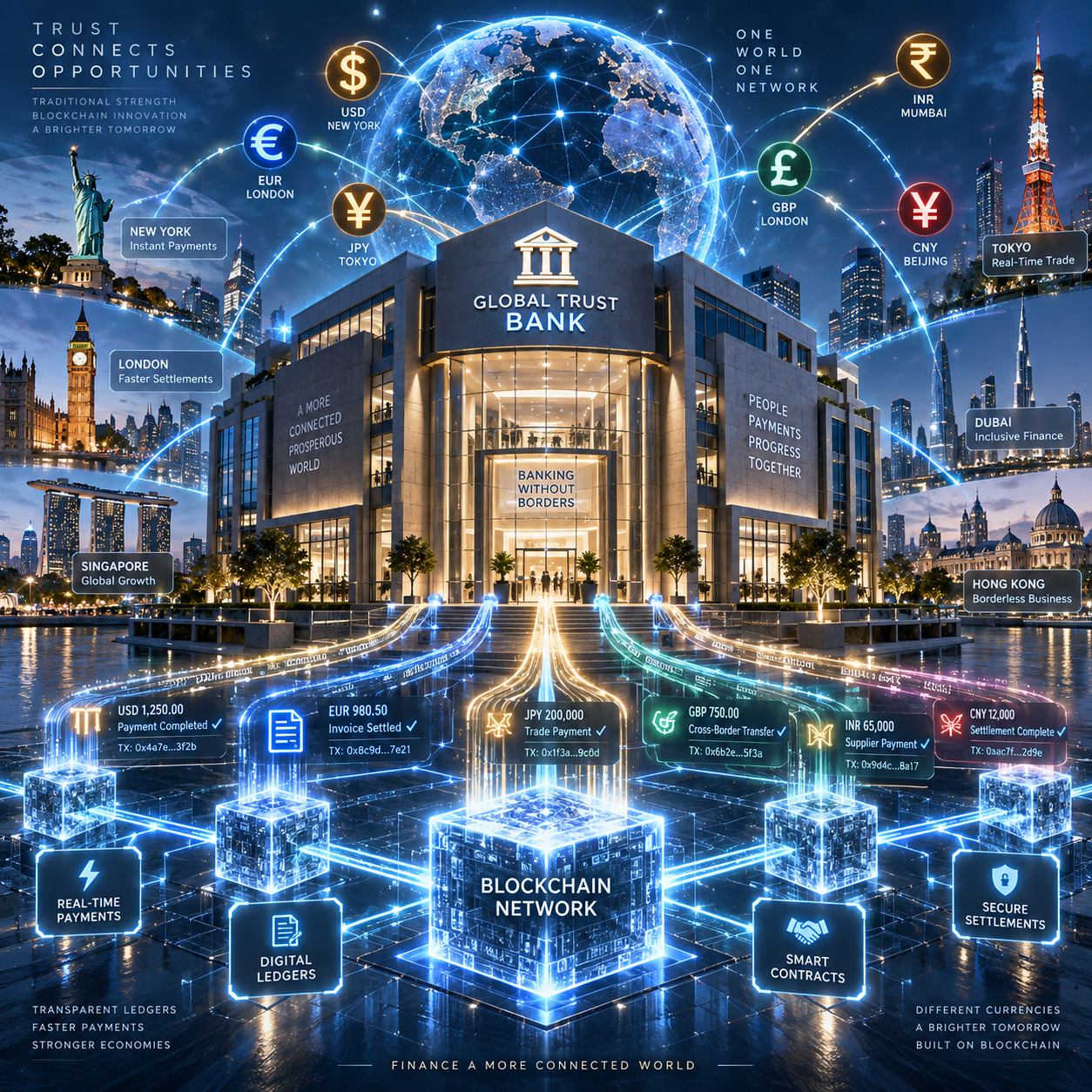
The evolution of digital wallets continues toward deeper integration with emerging technologies like the Internet of Things (IoT), artificial intelligence (AI), and expanded financial services. Future wallets may connect seamlessly with smart home devices, cars, and wearables, enabling payments through voice commands or contextual triggers.
Artificial intelligence could enhance fraud detection, personalize offers, and optimize payment experiences dynamically. The line between digital wallets and broader financial ecosystems is blurring, with wallets increasingly supporting banking, investing, and lending functions all in one platform.
Regulatory environments will also shape wallet evolution, balancing innovation and consumer protection. Cross-border wallet interoperability and expanded cryptocurrency adoption represent additional horizons promising to redefine money management further.
Ultimately, digital wallets are poised to become even more indispensable, blending convenience, security, and versatility to fit evolving consumer expectations.
Frequently Asked Questions
What are the main differences between digital wallets and traditional payment methods?
Digital wallets store payment data electronically and facilitate contactless or online payments without physical cards, offering faster and often more secure transactions. Traditional methods rely on physical cards or cash, which require manual handling and are prone to loss or theft.
How secure are digital wallets compared to physical cards?
Digital wallets typically offer enhanced security through biometric authentication, encryption, and tokenization. Unlike physical cards that can be copied or stolen, wallets reduce exposure by never transmitting actual card details during transactions.
Can digital wallets store cryptocurrencies safely?
Yes, cryptocurrency wallets use cryptographic keys and blockchain technology to securely store and manage digital assets. However, security depends on wallet type—hardware wallets offer greater offline protection compared to software-based wallets vulnerable to hacking.
What factors have driven the rapid adoption of digital wallets?
The growth of smartphones, advancements in NFC and biometric technologies, increased comfort with online payments, and the need for contactless solutions during the COVID-19 pandemic have accelerated digital wallet adoption globally.
What future technologies will influence digital wallet evolution?
IoT connectivity, artificial intelligence for fraud prevention and personalization, blockchain for decentralized finance, and enhanced biometric methods will shape the next generation of digital wallets, making them smarter and more integrated into daily life.
For further reading on the development of digital wallets and mobile payments, resources like Wikipedia Digital Wallet provide detailed historical context and technical explanations.