
How to Choose the Best E-Wallet for Your Needs
Understanding What an E-Wallet Is
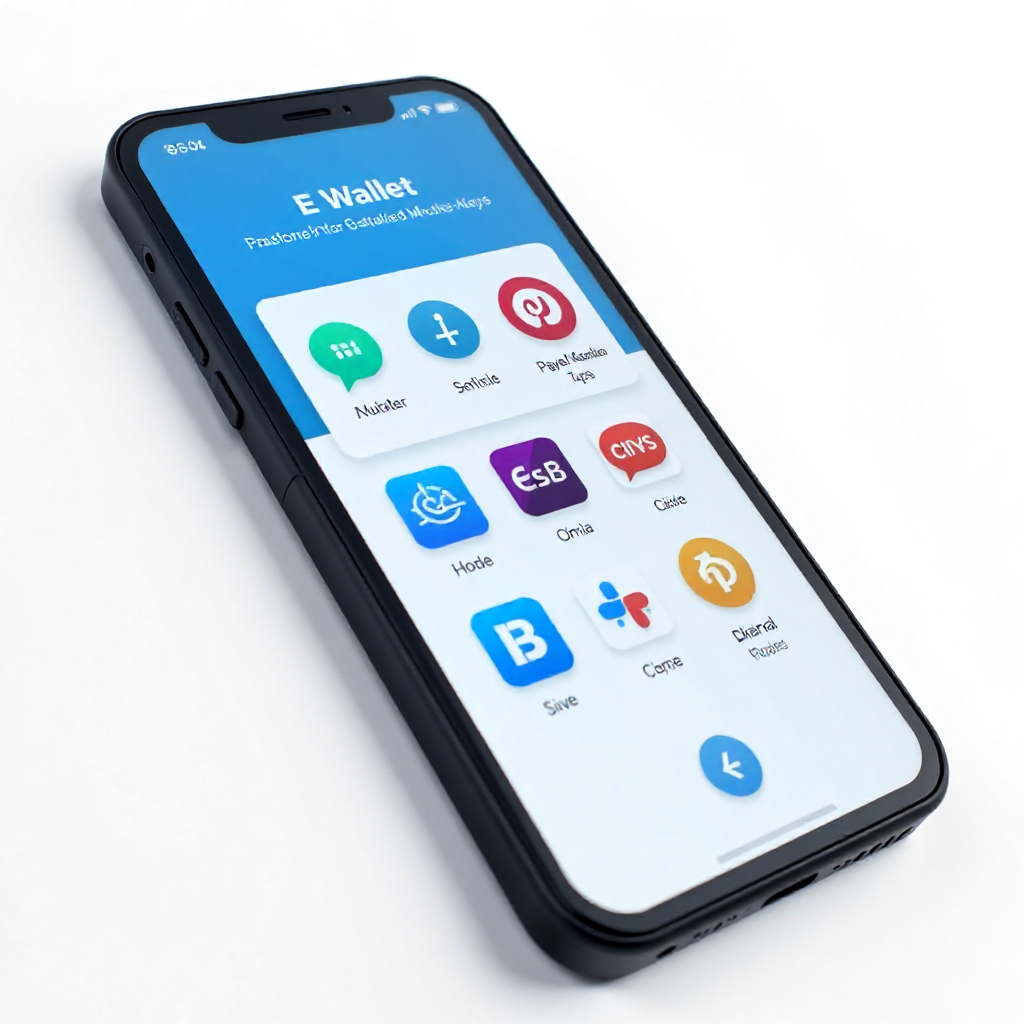
An e-wallet is a digital tool that stores your payment information and allows you to make electronic transactions quickly and securely. They play a central role in modern digital payment methods, replacing cash and cards for purchases, peer-to-peer transfers, and bill payments.
Essentially, an e-wallet acts as your virtual wallet stored on a mobile device or computer, enabling seamless payments without physically exchanging money or cards. This convenience has made e-wallets a cornerstone of fintech innovation, enhancing how consumers and businesses handle finances online.
Types of E-Wallets Available
E-wallets come in three main categories: closed, semi-closed, and open wallets. Each varies based on where and how you can use them.
- Closed wallets are tied to a specific company or merchant, usable only within their ecosystem (e.g., Amazon Pay).
- Semi-closed wallets allow payments to listed merchants but generally do not support cash withdrawals; popular with retail and online shopping.
- Open wallets offer the most flexibility, supporting payments everywhere cards are accepted and allowing cash withdrawals through associated banks or ATMs.
Understanding these types helps you match an e-wallet to your spending habits and the vendors you frequent. For example, a semi-closed wallet might suit frequent shoppers, whereas an open wallet is better for diverse spending needs.
Key Features to Consider When Choosing an E-Wallet
When selecting an e-wallet, focus on security features, fees, user experience, and transaction limits. These determine how safe, affordable, and easy the wallet is to use.
- Security features: Look for encryption protocols and two-factor authentication (2FA) to protect your account from unauthorized access.
- Transaction fees: Check if the wallet charges fees for payments, peer-to-peer transfers, or withdrawals, which impact your cost.
- User experience (UX): A clean interface and intuitive navigation on the mobile app improve convenience and reduce errors.
- Transaction limits: Be aware of daily or monthly caps on transfers or payments that can affect your transaction flexibility.
Careful consideration of these features ensures you pick an e-wallet that aligns with your security standards and financial habits.
Compatibility and Accessibility
The best e-wallet integrates smoothly with your devices and payment networks. Compatibility refers to mobile app support, platform integration, and accepted currencies.
Most e-wallets now offer apps for both iOS and Android, but check if the app functions well on your device version. Beyond device compatibility, consider if the wallet supports your linked bank accounts or cards seamlessly.
Also, note the range of supported currencies and payment networks; if you travel or shop internationally, it’s vital that the e-wallet accepts multiple currencies and works across borders.
Finally, accessibility includes availability of peer-to-peer transfers so you can send money easily to contacts, and how quickly transactions process across supported platforms.
Security and Privacy Considerations
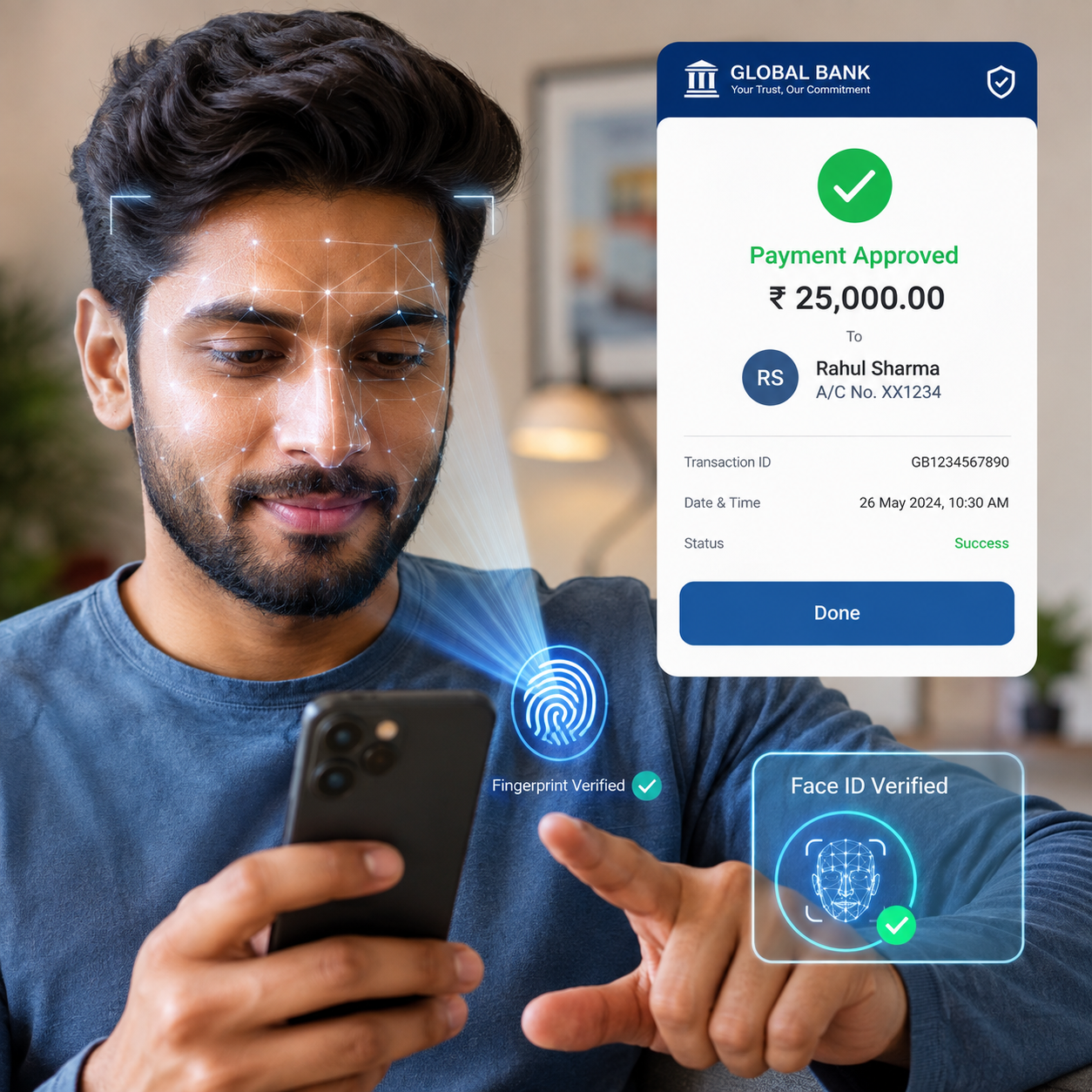
Security is paramount when choosing an e-wallet. Look for features like end-to-end encryption, two-factor authentication (2FA), biometric login, and regular software updates that safeguard your funds and personal data.
Despite these protections, risks exist such as phishing scams, malware, or account takeover attempts. Using wallets that comply with financial regulations and provide clear privacy policies adds a layer of trust and transparency.
Be cautious about wallets that require excessive personal information or link with unreliable third parties. Additionally, opting for wallets with strong customer support can help you promptly address any security concerns or suspicious activities.
How to Evaluate Costs and Fees
Understanding the full fee structure of an e-wallet helps avoid surprises and keeps your expenses predictable. Common fees include:
- Transaction fees: Charges applied per payment or transfer, often a small percentage or fixed amount.
- Withdrawal fees: Fees for cashing out funds from the e-wallet to a bank account or ATM.
- Inactivity fees: Some wallets may charge for prolonged periods without use.
- Currency conversion fees: When using the wallet internationally or with foreign currencies.
Look beyond advertised "free" transfers to check for hidden charges embedded in exchange rates or service tiers. Compare costs among wallets you shortlist to find balanced pricing suitable for your usage frequency and transaction size.
Tips for Making the Final Decision
To select the best e-wallet:
- Assess your payment habits: Consider how often you pay online, send peer-to-peer transfers, or withdraw cash.
- Test the user experience: Download trial versions of e-wallet apps to evaluate ease of use, speed, and customer support responsiveness.
- Verify security features: Confirm 2FA is available and that you can set biometric locks for extra safety.
- Review fee transparency: Ensure fees are disclosed clearly and align with your budget.
- Check compatibility: Confirm the e-wallet integrates smoothly with your bank accounts and preferred payment networks.
Balancing these considerations will narrow your choices to the wallet that best fits your personal and financial needs.
Frequently Asked Questions
What security features should I look for in an e-wallet?
Look for encryption, two-factor authentication (2FA), biometric logins, and regular software updates. These protect your account details and transactions from cyber threats.
Can I use an e-wallet internationally?
Many e-wallets support international use, but check if they accept multiple currencies and have reasonable fees for cross-border transactions. Compatibility with global payment networks is key.
Are there any hidden fees to watch out for?
Watch for withdrawal fees, currency conversion costs, or inactivity charges that may not be obvious upfront. Reading terms carefully helps avoid unexpected expenses.
How do e-wallets integrate with my bank account?
E-wallets link to your bank accounts or cards to fund your wallet and enable cash-outs. Smooth integration with your banking app ensures quick transfers and balance updates.
What if I lose access to my e-wallet?
Most e-wallets provide account recovery options through linked email, phone number, or identity verification. Contacting customer support promptly is essential to regain access and secure your funds.